Preventing Water Intrusion: A Facility Manager’s Guide to Leak Defense
Practical steps for protecting commercial roofs from leaks by focusing on flashing, seams, penetrations, and membrane performance.
Commercial roof leaks do not usually happen “all at once.” Most water intrusion starts small: a loose seam, aging sealant around a rooftop unit, damaged flashing, ponding water near a drain, or a membrane puncture that slowly allows moisture into the roof system. By the time water stains appear on ceiling tiles or inventory gets damaged, the roof issue may have been developing for weeks, months, or even years.
For facility managers, the goal is not just to react when water gets inside. The goal is to build a leak defense plan that catches weak points early, keeps the roof system performing, and helps avoid emergency repairs that interrupt business operations.
At Premier Roof Solutions, we help commercial and industrial property owners throughout Western Kentucky and Northwest Tennessee protect flat and low-slope roofing systems with repair, restoration, coating, and replacement solutions designed for long-term performance. The company serves areas including Hopkinsville, Madisonville, Dawson Springs, Princeton, Clarksville, and surrounding communities.
Why Water Intrusion Is a Serious Commercial Roofing Problem
A roof leak is more than an inconvenience. For commercial buildings, water intrusion can affect insulation, decking, electrical systems, ceiling materials, inventory, equipment, production areas, tenant spaces, and employee safety. Even a small leak can create bigger problems if moisture spreads beneath the roof surface.
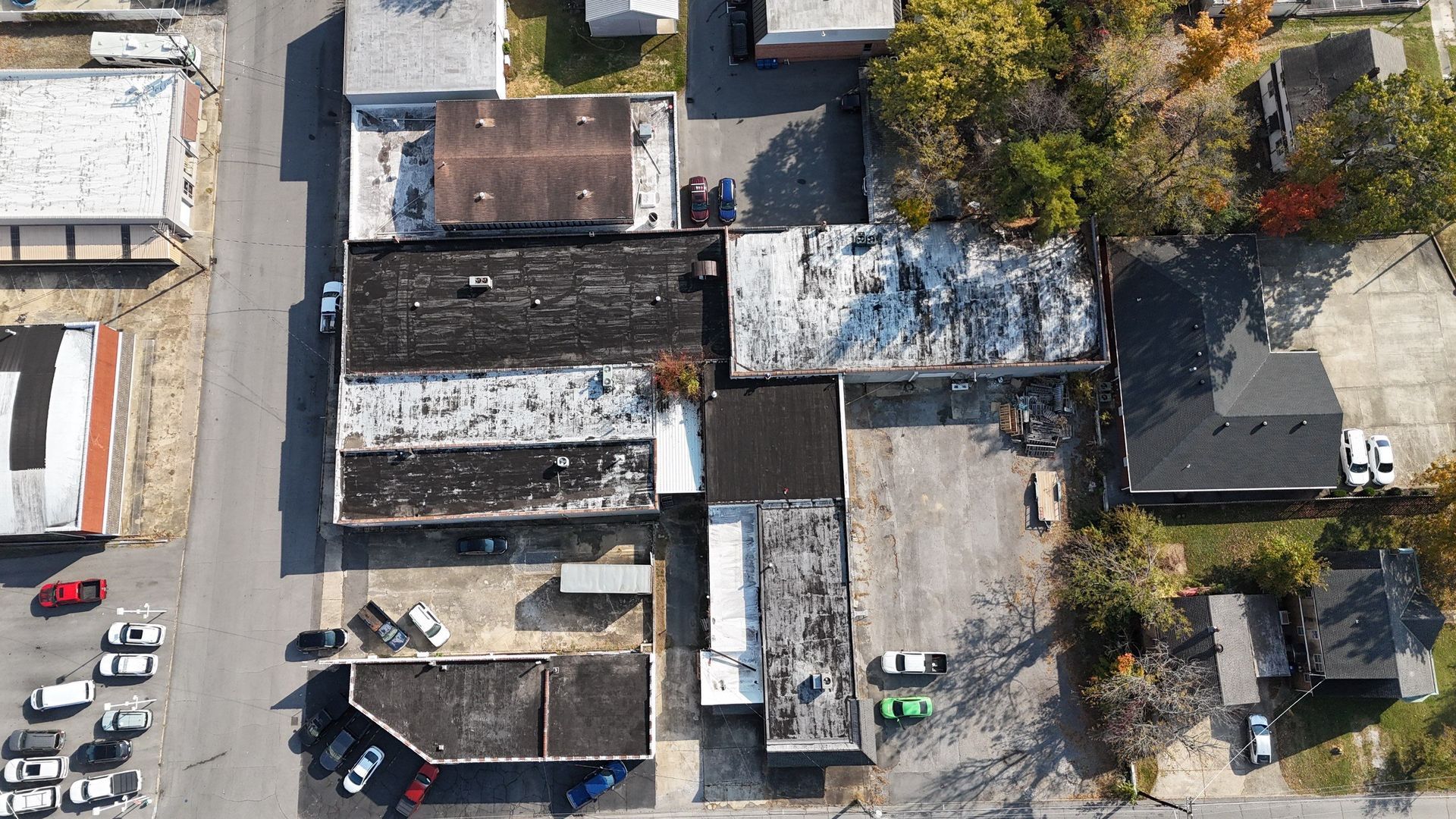
The tricky part is that commercial roof leaks are not always obvious from the ground. A roof can look acceptable from the parking lot while still having vulnerable areas around seams, drains, flashing, penetrations, or aging membrane sections. That is why routine roof evaluation and preventive maintenance are so important for facility managers.
A good leak defense strategy focuses on four major areas: flashing, seams, penetrations, and membranes.
Start with Flashing: The First Line of Defense at Transitions
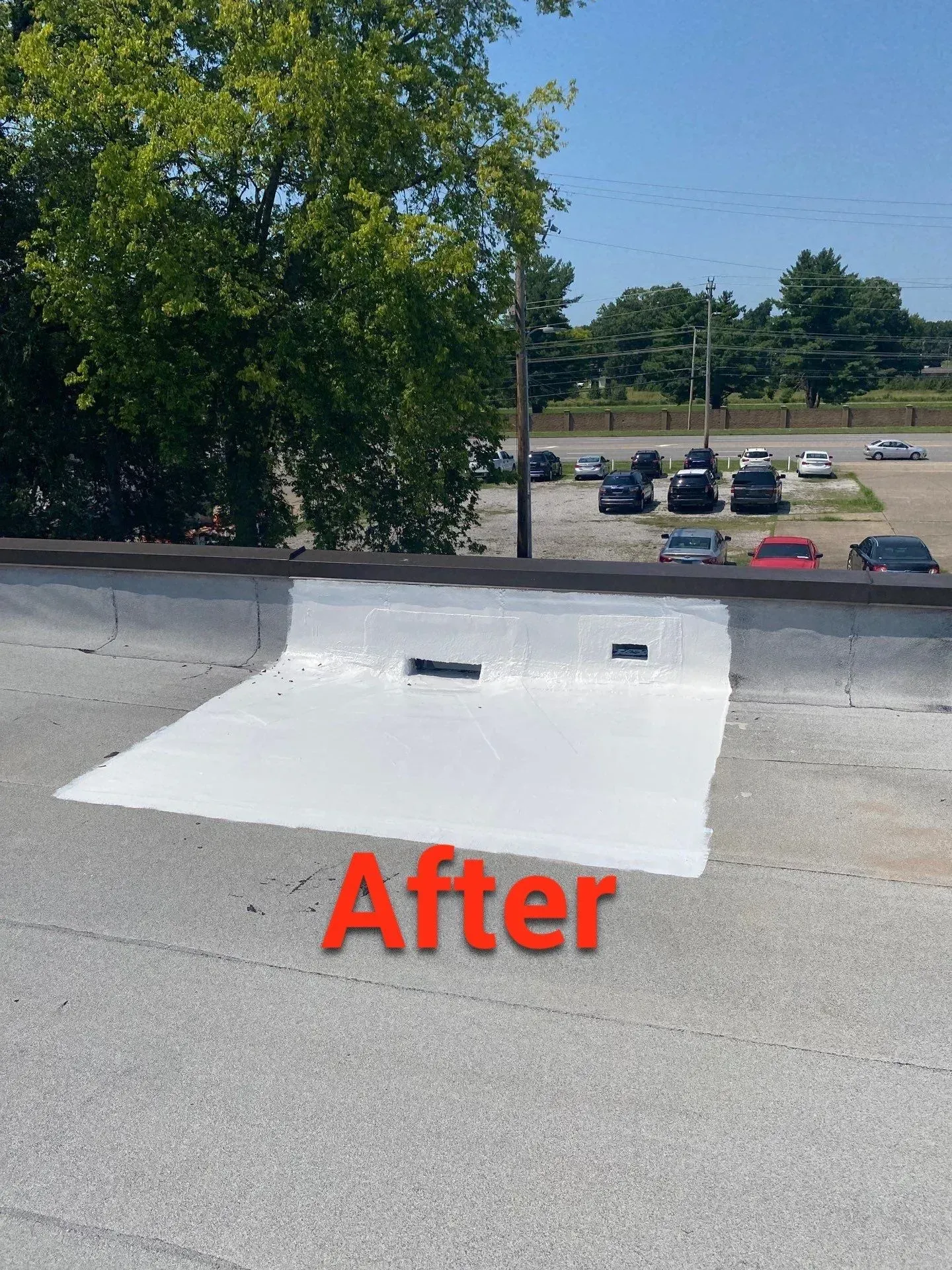
Flashing protects the areas where the roof changes direction or meets another surface. These transition points are naturally vulnerable because they experience movement, wind pressure, thermal expansion, and water flow.
Common flashing areas include:
- Roof edges
- Parapet walls
- Curbs
- Skylights
- HVAC units
- Vents and pipes
- Wall-to-roof transitions
- Expansion joints
If flashing pulls loose, cracks, rusts, separates, or loses its seal, water can enter beneath the roof system. Facility managers should pay close attention to flashing after heavy wind, storms, or freeze-thaw cycles.
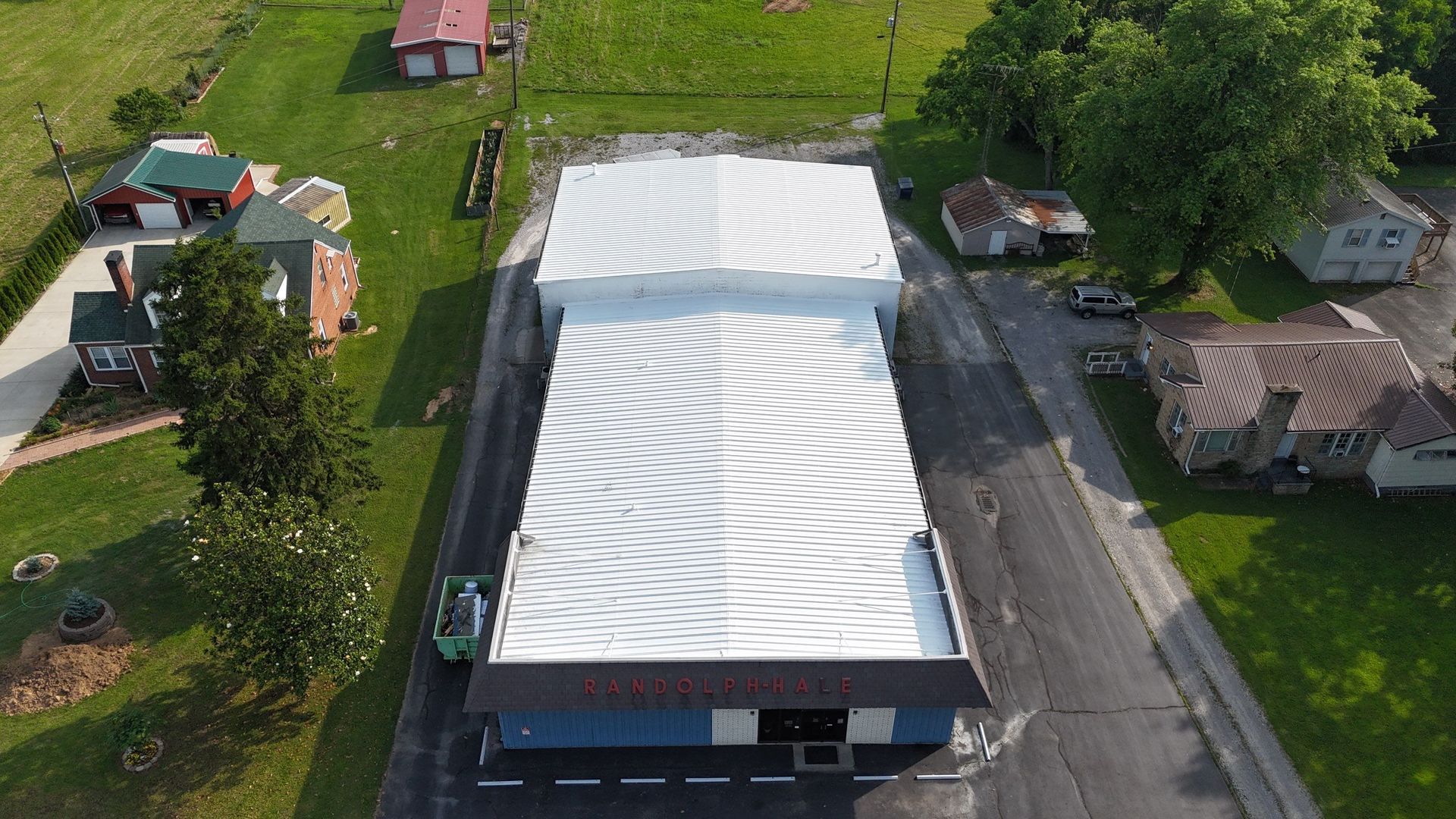
For buildings with aging metal roof systems, flashing issues often appear alongside fastener wear, panel movement, and seam separation. In those situations, metal roof restoration may help address leak-prone areas while improving long-term roof performance. Premier Roof Solutions notes that metal roof restoration can help seal leaks, address rust, and extend the life of aging metal roofs.
Watch the Seams: Small Separations Can Become Major Leaks
Seams are one of the most common leak points on commercial roofs. On single-ply systems, seams connect membrane sections. On metal roofs, seams occur where panels overlap or meet. On older roof systems, seams may weaken due to age, UV exposure, poor drainage, building movement, or previous repair work.
A seam problem may look minor, but it can allow water to travel underneath the roof surface. Once moisture gets below the membrane or panels, the leak may show up far from the actual entry point.
Facility managers should look for warning signs such as:
- Open seams
- Wrinkled or lifted membrane edges
- Cracked sealant
- Failed previous patches
- Rust or staining along metal panel laps
- Recurring leaks after wind-driven rain
- Soft or saturated areas near seam lines
For single-ply roofs, a membrane roof coating system can be a smart option when the existing roof is still a good candidate for restoration. Premier Roof Solutions describes membrane coatings as seamless, fluid-applied barriers designed to seal cracks, reinforce seams, improve waterproofing, and extend the life of EPDM, TPO, and PVC roofs without a full tear-off.
Inspect Roof Penetrations Before They Become Leak Sources
Every opening through the roof creates a potential water entry point. Commercial roofs often have many penetrations because of HVAC systems, vents, pipes, exhaust units, electrical supports, satellite equipment, drains, and other rooftop components.
Penetrations deserve regular attention because they combine several risk factors: movement, vibration, sealant wear, foot traffic from service technicians, and water flow around curbs or boots.
Facility managers should monitor:
- HVAC curbs
- Pipe boots
- Vent stacks
- Exhaust fans
- Skylight perimeters
- Conduit supports
- Drain openings
- Pitch pockets
- Equipment platforms
One common mistake is assuming the roof is the problem when the actual issue is poor sealing around rooftop equipment. HVAC service work, mechanical upgrades, or new equipment installation can disturb existing waterproofing. After any rooftop contractor works on the building, it is wise to have the roof checked for damaged sealant, punctures, loose flashing, or debris left behind.
If your building has recurring leaks around rooftop equipment, a professional inspection can help determine whether the issue is isolated repair work or a larger waterproofing concern. Premier Roof Solutions provides commercial roofing services for flat and low-slope systems, including roof repair, restoration, coating systems, and replacement options.
Protect the Membrane: The Roof Surface Must Stay Watertight
On many flat and low-slope commercial roofs, the membrane is the primary waterproofing layer. Once the membrane becomes cracked, punctured, brittle, blistered, loose, or worn thin, the roof becomes much more vulnerable to leaks.
Membrane damage can come from:
- UV exposure
- Standing water
- Foot traffic
- Storm debris
- Aging materials
- Poor drainage
- Chemical exposure
- Dropped tools
- Unprotected service paths
- Previous patch failures
Facility managers should not ignore small punctures or worn areas. A tiny opening in the membrane can allow water into the insulation or substrate, especially during heavy rain.
For EPDM and rubber roofs, EPDM roof restoration may be a practical solution when the roof is aging but still restorable. Premier Roof Solutions states that its EPDM roof coating system is a fluid-applied membrane designed to create a seamless waterproof barrier, improve protection, seal cracks and seams, improve reflectivity, and help extend the life of existing rubber roofs.
Do Not Overlook Drainage and Ponding Water
Water intrusion prevention is not only about sealing holes. It is also about moving water off the roof properly. Flat roofs are not completely flat; they are designed to direct water toward drains, scuppers, gutters, or other drainage points.
When drainage fails, ponding water can accelerate roof wear and expose weak points. Standing water places extra stress on seams, flashings, membranes, and penetrations. It can also hide cracks, punctures, or soft spots that need attention.
Facility managers should watch for:
- Water sitting on the roof more than 48 hours after rain
- Clogged drains or scuppers
- Debris buildup around drainage points
- Low spots near rooftop units
- Staining or algae growth where water collects
- Interior leaks after heavy rainfall
- Ice-related problems during winter weather
Drainage problems should be handled quickly because they often make every other roof issue worse.
Build a Practical Leak Defense Checklist
A facility manager does not need to be a roofing expert, but having a simple checklist helps keep roof issues from being ignored.
Here is a practical leak defense checklist:
After major storms:
Check for visible debris, displaced edge metal, loose flashing, punctures, or clogged drains.
After HVAC or rooftop service work:
Confirm that no tools, screws, panels, or debris were left behind and that roof penetrations were not disturbed.
During seasonal maintenance:
Look for ponding water, cracked sealant, open seams, rust, membrane wear, and areas where previous repairs are failing.
Inside the building:
Document stained ceiling tiles, wet insulation, musty odors, peeling paint, wall discoloration, or active drips.
Before budgeting season:
Schedule a professional roof assessment so ownership can plan repair, restoration, or replacement costs with real information.
For many commercial buildings in Western Kentucky and Northwest Tennessee, spring and early summer are ideal times to evaluate roof condition before intense heat, storms, and heavy rainfall put extra stress on the system.
When Restoration May Be Better Than Replacement
Not every leak means the roof needs to be replaced. In many cases, the right repair or restoration system can extend roof life and reduce long-term costs.
Premier Roof Solutions offers several systems that may help facility managers defend against water intrusion, depending on the roof type and condition. A fabric-reinforced roofing system can create a durable waterproof membrane over an existing roof by combining acrylic coatings with polyester fabric. The company notes that this system is designed to improve leak prevention, durability, energy efficiency, and long-term value.
For certain flat and low-slope roofs, SPF roofing may also be an effective option. Spray polyurethane foam creates a seamless, self-adhering layer that provides waterproofing and insulation, helping eliminate seams and joints where leaks often develop.
The right recommendation depends on the existing roof system, moisture conditions, drainage performance, structural condition, budget, and long-term plans for the property.
Documentation Helps Facility Managers Make Better Decisions
One of the best ways to build trust and reduce uncertainty is documentation. Facility managers should keep records of roof inspections, repairs, photos, leak locations, service calls, weather events, and maintenance recommendations.
This documentation helps answer important questions:
- Is the leak new or recurring?
- Is the issue isolated or widespread?
- Are repairs lasting, or are they failing repeatedly?
- Is water intrusion tied to storms, ponding water, or rooftop equipment?
- Is restoration still an option?
- Should replacement be planned in the next budget cycle?
Clear documentation also helps when reporting to ownership, boards, tenants, insurance contacts, or maintenance teams.
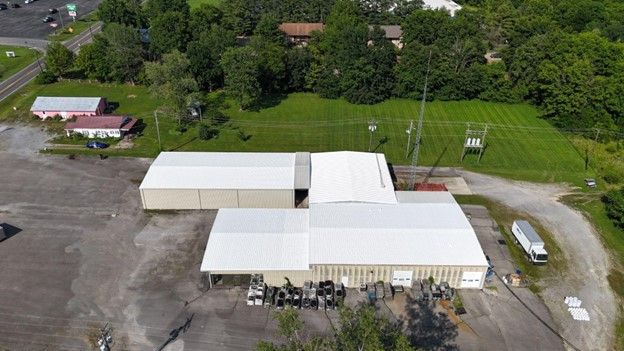
Premier Roof Solutions’ project gallery can also help facility managers and property owners review examples of commercial roofing work and understand the types of systems available for leak protection and long-term roof performance.
Local Leak Defense for Commercial Facilities
Commercial roofs in Hopkinsville, Madisonville, Princeton, Dawson Springs, Clarksville, and surrounding areas face heavy rain, high heat, wind, storm activity, and seasonal temperature swings. Those conditions can stress flashing, seams, penetrations, and membranes over time.
Facility managers in Hopkinsville, Madisonville, Princeton, Providence, and Clarksville should treat leak prevention as a planned maintenance responsibility, not an emergency reaction.
A proactive roof strategy protects more than the building. It protects operations, equipment, inventory, employees, tenants, and the bottom line.
Schedule a Commercial Roof Assessment
If your facility has recurring leaks, aging seams, flashing concerns, ponding water, membrane damage, or rooftop equipment issues, now is the time to address the problem before it becomes more expensive.
Premier Roof Solutions provides commercial roof repair, restoration, coating systems, and replacement guidance throughout Western Kentucky and Northwest Tennessee. Whether your building needs targeted leak repair or a long-term waterproofing solution, the first step is understanding what is happening on the roof.
Visit the Premier Roof Solutions contact page or call 270-881-8961 to schedule a commercial roof assessment.
Recent Posts