


How Kentucky and Tennessee Weather Affects Commercial Flat Roofs

Jacob Beiler • September 28, 2026

Commercial Roofing Specialists

Family-Owned and Operated

Certified Crews

Free Commercial Roof Assessments

Serving Kentucky and Tennessee

Repair, Restoration and Replacement Options

Western Kentucky and Northwest Tennessee don't have an extreme climate, but they don't have an easy one for a commercial roof either. The region gets the full range across a single year — hot, humid summers, real storm season, and winter cold snaps with freeze-thaw cycling — and each of those puts a different kind of stress on a flat or metal roof. Here's what's actually happening to your roof through each season, and why it matters for how often it needs attention.

Summer Heat and UV Exposure

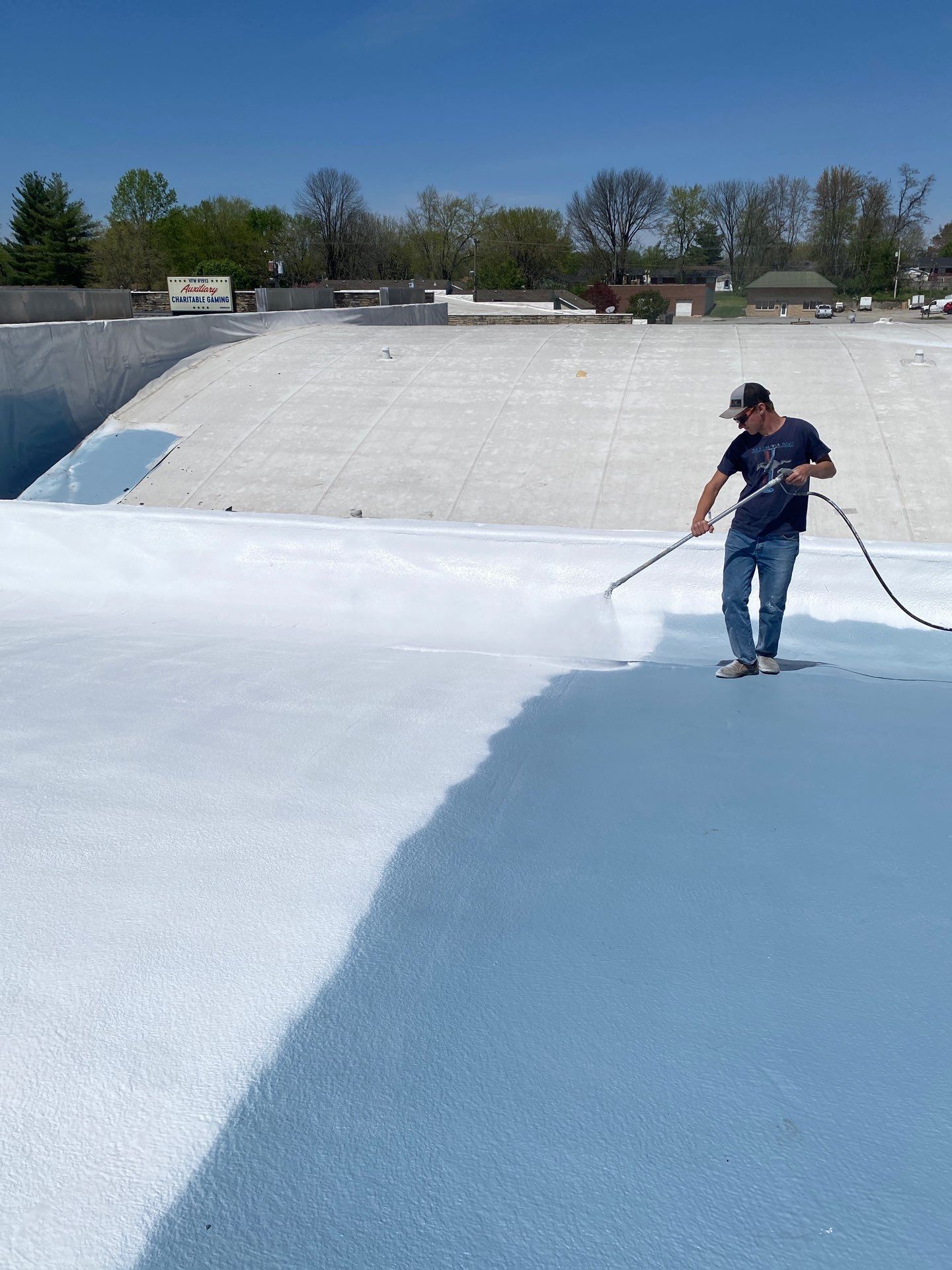
Commercial flat roofs absorb significant heat through the summer months, and UV exposure gradually breaks down membrane materials and coatings over years of direct sun. Dark or aging roof surfaces heat up more than reflective ones, which affects both the roof's long-term durability and the building's cooling costs underneath. This is a big part of why reflective coatings and light-colored membranes (TPO, PVC) are common recommendations in this region — they're not just an energy-efficiency upsell, they genuinely slow the heat-driven aging process.

Storm Season and Wind Damage

Spring and summer storm systems moving through Western Kentucky and Northwest Tennessee bring wind and hail risk that can lift membrane at the edges, damage flashing, and stress seams that are already showing age. A roof that's in good condition generally rides out a storm without issue; a roof with existing wear is far more likely to develop a new leak during or right after a significant weather event. This is exactly why a post-storm inspection is worth doing even when nothing looks obviously wrong from the ground, wherever your property sits across our service area.

Winter Freeze-Thaw Cycles

Winters here aren't consistently frigid, but the region gets real freeze-thaw cycling — temperatures dropping below freezing overnight and rising back above it during the day, repeatedly, through the winter months. Any existing crack, seam gap, or trapped moisture expands when it freezes and contracts when it thaws, which gradually widens small problems into bigger ones. A hairline seam separation that would sit stable in a more temperature-consistent climate can grow noticeably worse over a single Kentucky or Tennessee winter.

River and Lake Humidity in Certain Areas

Properties near the Ohio River, Tennessee River, or Kentucky Lake — Paducah, Owensboro, and Paris, for example — deal with somewhat higher ambient humidity than inland areas, which can affect drying time after rain and, over years, contribute to more persistent moisture exposure at the roof surface. It's a smaller factor than heat or freeze-thaw cycling, but it's part of why we factor a property's specific location into a roof recommendation rather than applying one standard answer to every building in the region.

What This Means for Your Maintenance Schedule

Given this seasonal pattern, most commercial roofs in this region benefit from two scheduled maintenance visits a year — one in spring, checking for winter freeze-thaw damage before storm season arrives, and one in fall, before winter sets in. An additional inspection after any significant storm event is worth the hour it takes, given how much cheaper it is to catch a lifted seam early than to deal with the interior water damage from a leak that went unnoticed for a season.

Protect Your Roof Through Every Season


Request a Free Roof Assessment

Recent Posts

Side-by-side comparison of commercial roof restoration and replacement work
By Jacob Beiler • September 28, 2026
Compare cost, timeline, and disruption between commercial roof restoration and full replacement, with real numbers to help you decide which fits your building.
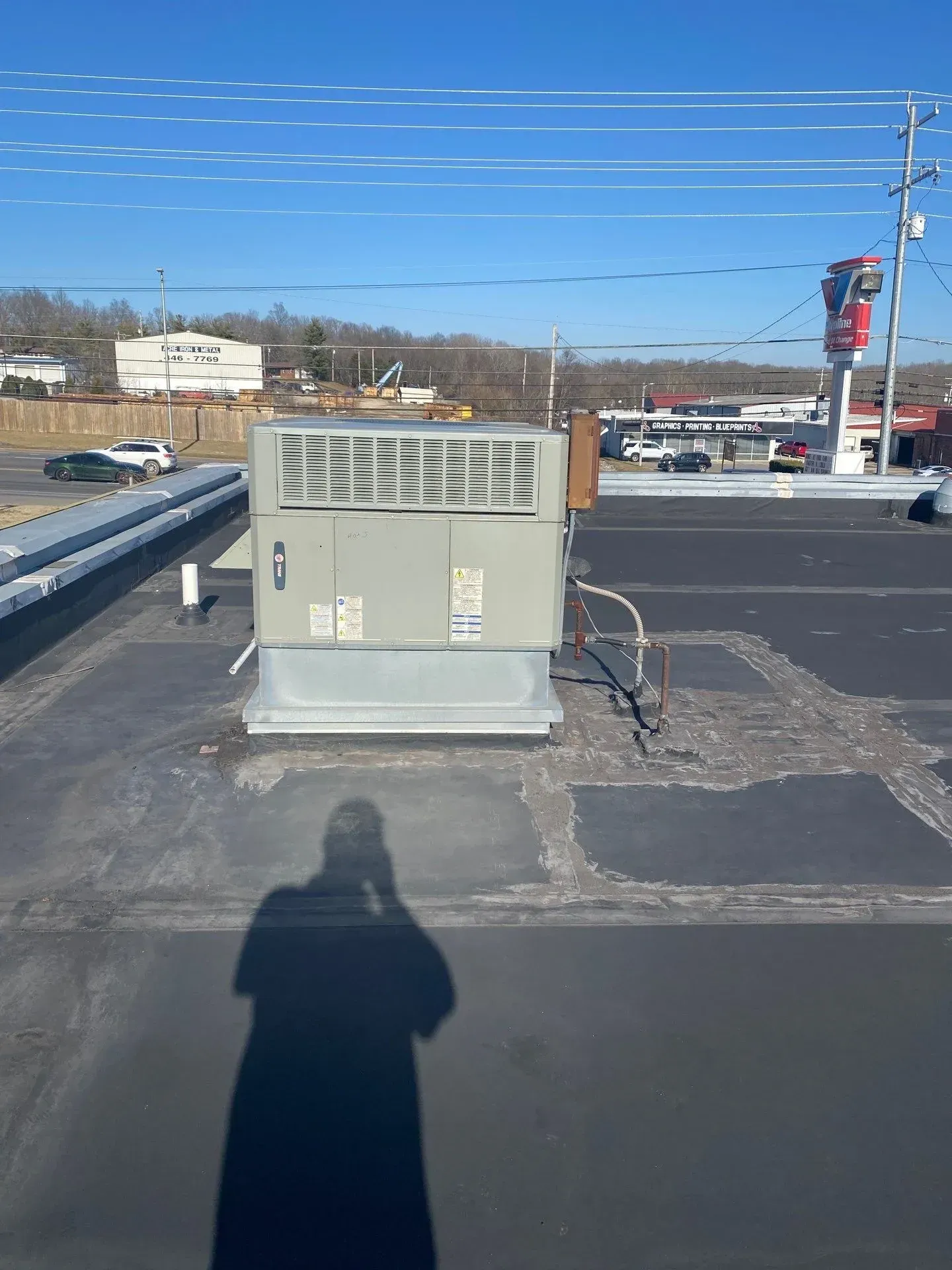
Repaired sections of a flat commercial roof membrane around an HVAC unit curb and penetrations
By Jacob Beiler • September 25, 2026
A practical guide to the signs that separate a simple commercial roof repair from a full replacement, including real damage thresholds and what to check first.